
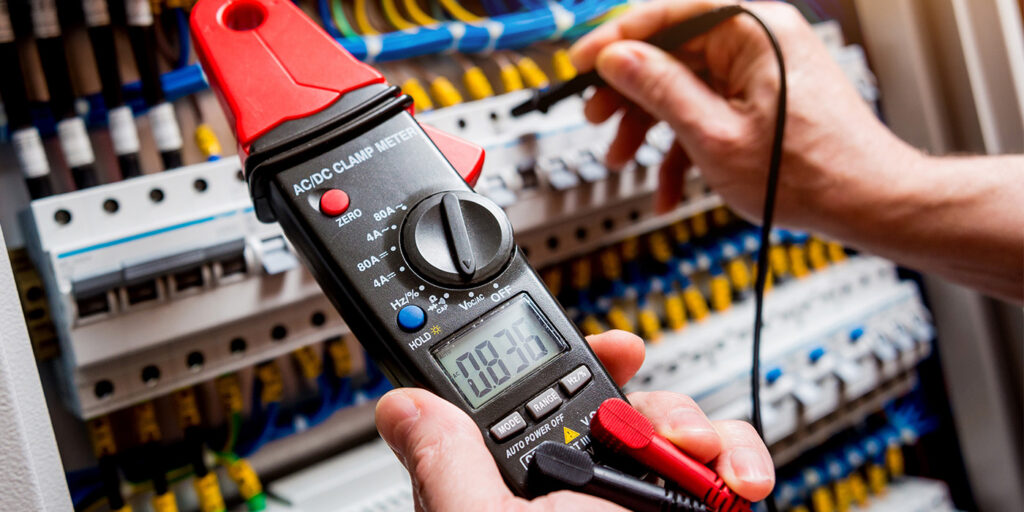

Gain an essential understanding of basic circuit theory with content designed for entry-level electrical and electronics technician students – no prerequisites required. Learn to read electrical schematics, perform diagnostic assessments, and apply troubleshooting techniques as you train for a successful electrical or electronics technician career.
You will dive into real-life case scenarios, hands-on labs, circuit simulations, and over 200 engaging safe-to-fail activities with immediate feedback, which will be used to help you reinforce learning outcomes.
Upon completing the course, you will earn your electronics technician certification, a valuable asset as you launch your new career. Once you have this foundation, you can explore opportunities in specialties like industrial electronics, avionics, telecommunications, wireless technologies, alarm security, SMART technologies, commercial audio, radar and antenna systems, and more.
Prerequisite: There are no prerequisites to take this course. However, this course requires basic computer skills, including the ability to open and manage windows, navigate websites, and perform common online tasks such as downloading files, completing forms, and using web-based tools.
Location | Day(s) | Price |
|
|
|
Now is a great time to explore a career in the electrical industry. The employment of electrical and electronic engineering technologists and technicians is projected to add about 9,500 job openings each year, on average, by 2033, according to the U.S. Bureau of Labor Statistics. Many of those openings will result from the need to replace workers who transfer to different occupations or retire.
According to Glassdoor, the annual salary for an electronics technician is $65,536, while the average U.S. salary for an electrical technician is $64,133.
Electrical and Electronics Technician FAQs
Electrical technicians help create, maintain, and repair the electronic components and equipment used in any equipment or device that involves electricity. They also can sometimes work with electricians or electrical engineers or work on site to keep machinery and specialty equipment running correctly.
Some of the duties for an electrical technician include:
An electronics technician is a professional who works with electrical and electronic equipment, such as computers, medical devices, and navigation systems.
Yes. This course prepares you for Associate Certified Electronics Technician (CETa) developed by the Electronics Technicians Association, International, Inc.
After you register, you will receive 12 months to complete the course. The time allotted for completion has been calculated based on the number of course hours.
Please click here to see the curriculum outline, price, course details, and frequently asked questions.
